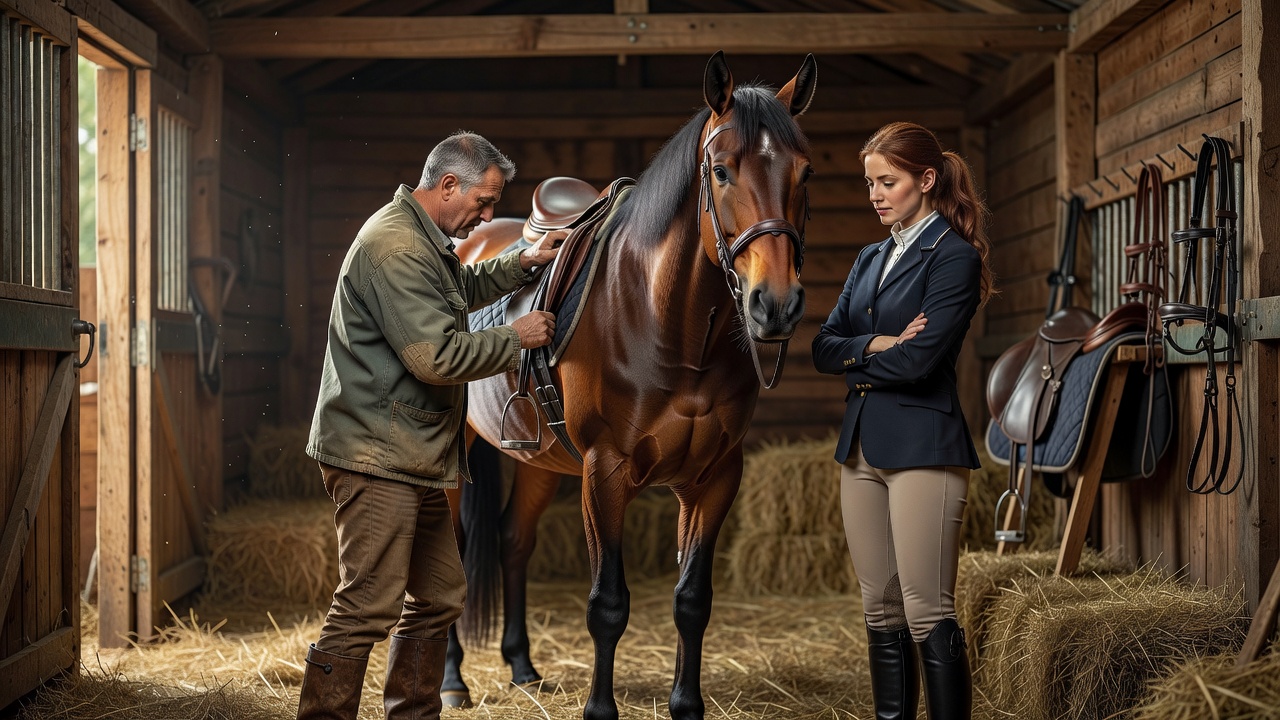
Equipment is part of the working environment. A saddle, girth, bridle, boot, blanket or sensor mount meets the horse and rider through material, shape, contact and movement. A small adjustment can alter how an item sits; a change in task can reveal a feature that seemed unimportant during a static check. Looking closely means considering the whole arrangement rather than judging a product from one photograph or specification.
Design decisions may involve weight, flexibility, adjustability, durability, breathability, cleaning, secure attachment and ease of use. The priorities depend on the item and the work. A sensor mount needs to remain stable without interfering with tack or movement. A protective boot needs to stay appropriately positioned while allowing the intended range of movement. A rider's equipment must support the rider's task while being suitable for the horse and setup.
Start with the job to be done
Describe the intended use before comparing products. Is the item for a short schooling session, regular turnout, competition travel or attaching a sensor for a defined exercise? Consider how often it will be used, who will fit it, what conditions it will encounter and how it will be cleaned and stored. A product can be well made and still be a poor fit for a particular job.
Look for clear information about materials, sizing, care, adjustment and intended use. If a claim is broad, ask what evidence supports it and under what conditions the item was evaluated. A feature such as “lightweight” or “smart” does not tell you whether the equipment is suitable, comfortable or reliable in your setting. Specific practical details are more useful than sweeping promises.
Fit is a process
Static fitting is a starting point, not the whole assessment. Check that the item is used according to its instructions, that its position is repeatable and that the horse can move comfortably through the intended task. Observe before, during and after the work. A rider or fitter may notice shifting, rubbing, pressure points, unusual wear or a change in how the equipment sits. Record what is seen without guessing at a cause.
Seek the appropriate qualified person for specialised fitting questions. For saddles, involve a suitably trained saddle fitter; for a concern about the horse's health or comfort, consult a veterinary professional. Equipment sensors and pressure maps can support a discussion, but their readings depend on the system, placement, calibration and conditions. They do not independently establish a diagnosis or guarantee that a particular design is suitable.
Materials and maintenance tell a longer story
Materials affect durability, weight, flexibility and care. Leather, synthetics, textiles, foam, elastomers and composite components have different properties, and performance can change with wear, moisture, temperature and cleaning. Follow manufacturer care instructions and inspect parts that bear load or secure an item. Replace damaged or unreliable equipment rather than relying on an old assumption that it remains safe.
Keep a simple record of adjustments, repairs and replacement parts. If a piece of equipment changes between sessions, include that in the training note. A new pad, different girth or altered strap can affect how other equipment sits. When using a sensor, check that its attachment does not alter the intended fit or create a new point of pressure.
Trial one change at a time
If a change is appropriate, make it in a controlled and sensible way. Record what changed, who fitted it, when it was used and for which task. Avoid changing several pieces of equipment at once if the aim is to learn what each change may contribute. This does not mean treating the horse as a test rig; the horse's comfort and training needs set the limits of any trial.
Compare like with like where possible. Note the surface, rider, exercise, duration and relevant conditions. If the horse behaves differently, do not attribute the change automatically to the new item. Consider the full setting and discuss the observation with the relevant professional. A careful trial is a way to gather context, not a guarantee that a particular product caused a result.
Technology inside equipment
Connected equipment can combine sensors, mobile applications and summaries. Before adopting a system, find out what it measures, how it attaches, how data is stored and whether the output can be exported or explained. Consider battery life, charging routines, cleaning and what happens if a connection fails. A tool that adds burden to a busy yard may not be useful simply because it has more functions.
Data should be handled thoughtfully. Keep records relevant to the question and limit sharing to people who need them. Check who can access an app account and whether uploaded material contains identifiable people or location information. A clear routine for naming sessions and storing files often serves a team better than an elaborate dashboard nobody can maintain.
Let practical observation lead
Useful equipment supports a task without distracting from the work. Watch whether it stays in place, whether it can be fitted consistently and whether its condition remains sound. Ask the rider and handler what they notice, and take the horse's behaviour seriously. If there is a concern, pause the trial and seek competent guidance rather than asking a gadget to settle the matter.
Design is not a contest to add the most technology. The right choice is the one that fits the horse, rider, activity and care routine, with a clear reason for using it. Keep a record that distinguishes what was seen from what was inferred. That distinction makes equipment decisions more transparent and helps everyone involved talk about the same real-world details.
Notice
Fit, movement, stable positioning, wear, cleaning needs and the horse's response.
Interpret carefully
Separate a direct observation from a product claim, sensor output or assumed cause.